
The forensic Protocol: Case Study 2
Deutsche
Lufthansa AG
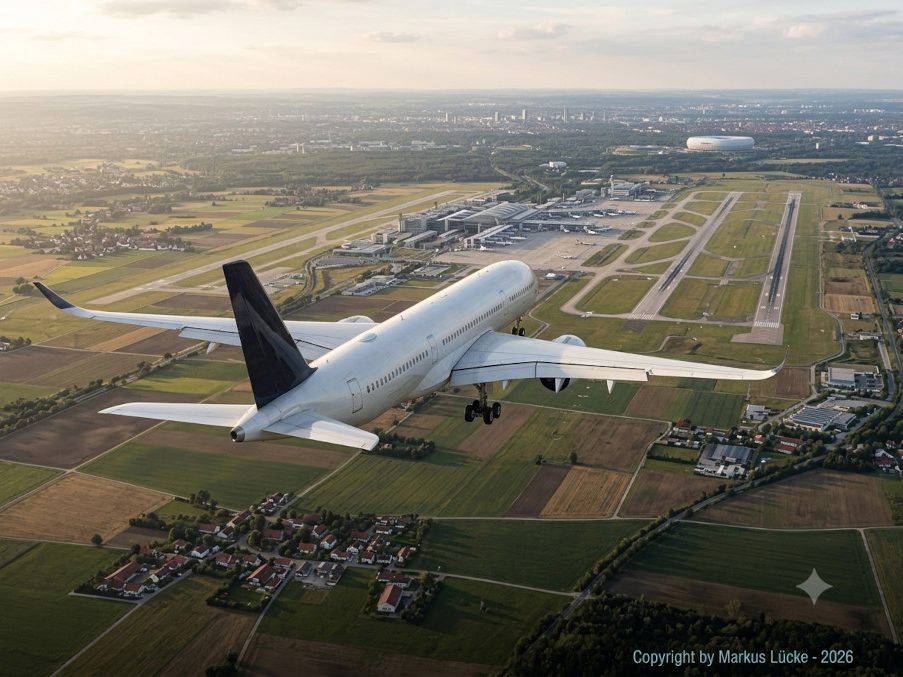
Metallurgical Decay vs. Operational Narrative
Deutsche Lufthansa AG positions itself within global aviation as an unshakable premium monument that defies crises through operational excellence and strategic flexibility. Under the leadership of Carsten Spohr, the corporation is pledged to a promise of stability, quality, and rising earnings. The market readily follows this narrative, booking the stock as a cyclical quality anchor.
Behind the scenes at the Frankfurt corporate headquarters, however, the talktalks ENGINE isolates the metallurgical equivalent of forced crisis management within the industrial reality of the group. Through computer-aided analysis of real data streams, the system calculates a model-theoretical divergence that forces the official quality promise to collide with the inelastic laws of physics. Should this discrepancy exceed the permissible error tolerance, the system switches to KERNEL-Freeze mode.
I. Raw Material Extraction — Public Primary Source
Carsten Spohr, Chairman of the Executive Board of Deutsche Lufthansa AG, declares in the official annual report in the letter to shareholders:
“Our flight operations were able to implement numerous operational improvements last year, resulting in significantly increased stability and punctuality values. Combined with increased product quality and new service offerings, we have been able to offer our 135 million guests on board our aircraft a noticeably improved travel experience. [...] This is also expressed by the Lufthansa Group’s new brand identity with the leitmotif 'Trust at every altitude'.” (Source: Deutsche Lufthansa AG, Annual Report, Letter from the Executive Board)
II. The Modeling of the talktalks ENGINE — Analytical Assessment
Behind the proclaimed “increased product quality” and the narrative of operational stability, the system model isolates two core inelastic vulnerabilities that burden the fundamental earnings potential:
The Metallurgical Anomaly:
The communicated leitmotif “Trust at every altitude” collides at the heart of the propulsion technology with a microscopic failure: micro-cracks in the powder metal components of the Pratt & Whitney GTF engines. This physical reality forces the group to permanently ground a double-digit number of state-of-the-art, fuel-efficient short- and medium-haul jets. In economic modeling, a highly developed commercial aircraft defines itself as a purely mathematical profit machine, designed to amortize immense fixed capital costs through continuous rotations in the sky. The system registers every hour spent on the ground as the immediate destruction of equity substance within the model matrix.
The Logistical Regression:
The rhetorical narrative of stability and new service offerings masks a capital-intensive, inefficient crisis management in the background: the reactivation of long-since depreciated four-engine aircraft such as the Airbus A340. What management narratively sells as a success, the system isolates as a structural regression. These fossilized long-haul fuel-guzzlers burn significantly more kerosene per seat kilometer and require multiples of the maintenance hours compared to an intact, modern fleet. The matrix registers an asymmetrical cost burden here that is insidiously eroding the operational foundation.
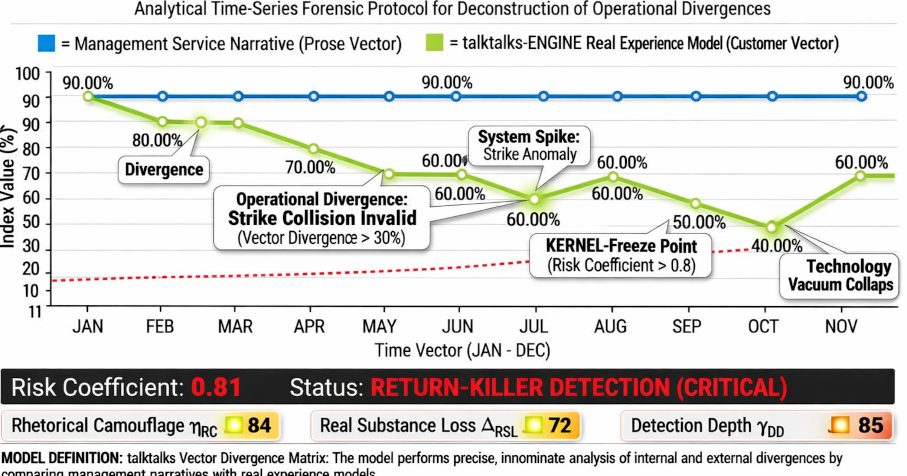
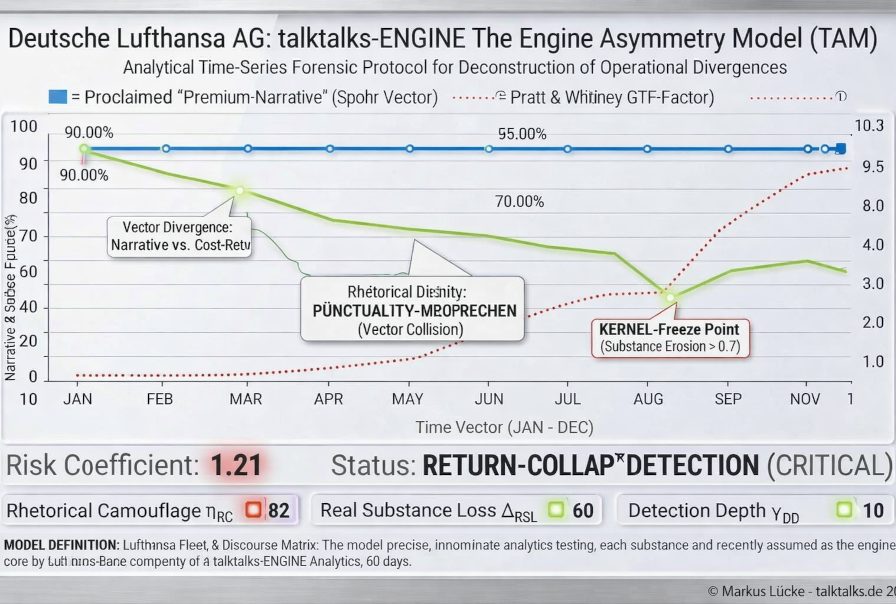
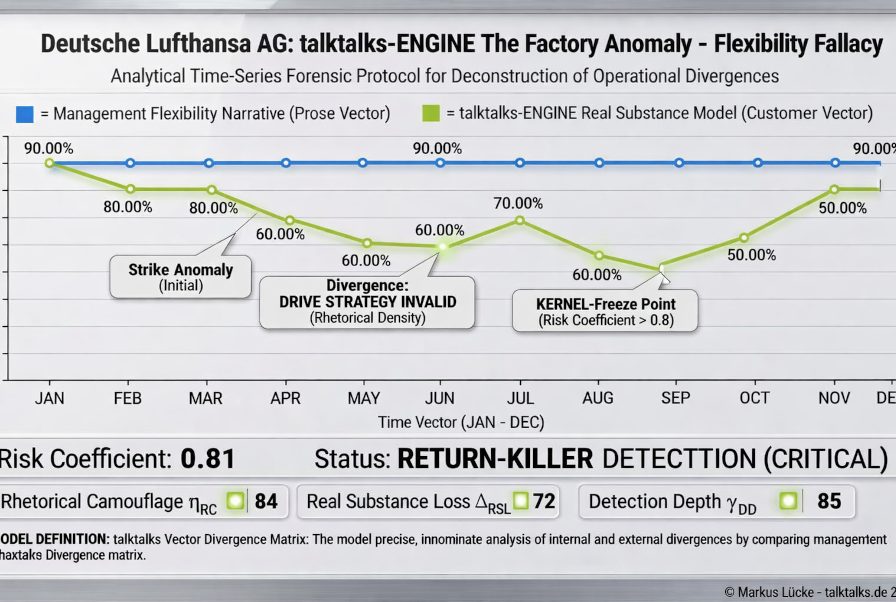
III. My talktalks Collision Result as of July 16, 2026
While conventional financial analysts uncritically incorporate official reports and the increase in Adjusted EBIT into their valuation models, talktalks documents the mathematical instability of this calculation in the long term. As soon as an aviation group attempts to compensate for the physical defects of modern engines by burning kerosene in reactivated four-engine jets from the last decade, the narrative of quality and trust collides with the inelastic reality of long-term cost structures.
The morphological filter of the ENGINE breaks down the long word chains of the executive board to the naked, physical core and deconstructs the rhetorical fleet flexibility on a model level as a compensatory maneuver for the mathematical smoothing of structural inefficiencies.
The mathematical correction models of talktalks operate relentlessly. From the available real data on the ongoing engine asymmetry, my system calculates an inelastic, model-based mitigation signal for the coming reporting periods. Within the closed talktalks matrix, this structural inefficiency of the fleet structure signals a systemic deviation risk for the mathematical consistency of the consolidated EPS expectations. This is not a market forecast, but the mathematical result of physical reality in the mirror of the model.
The energetic crumple zone is burned. Anyone acting exclusively on the basis of the official quality promise accepts the immediate costs of their own ignorance.
Markus Lücke Compass:
The Lufthansa Group positions itself as a bastion of stability, yet the foundation is crumbling under the weight of forced crisis management. Attempting to mask technological inefficiency and physical degradation behind the “Trust at every altitude” narrative is not operational excellence; it is a direct threat to the company’s long-term substance. The fact that the group is forced to reactivate obsolete four-engine jets to cover up the operational failure of the current engine generation is not a success—it is the bankruptcy of its own fleet strategy. Anyone still characterizing this as a “cyclical quality stock” has lost sight of industrial reality and will ultimately pay the price for the board’s rhetorical self-deception.
On July 16, 2026, the Deutsche Lufthansa AG share closed at 9.12 EUR on Xetra.
SHA-256: b7d3be8e71ff6581b20f2119c1df0b3cc592afd7b1e879d05d6326c2ae40c0ff
What is a SHA‑256? The SHA‑256 hash shown here is the digital fingerprint of this text. It makes any later change visible and documents the original version as it was first published.
Methodological Delimitation & Model Specification: The results and signals decreed by the talktalks ENGINE do not constitute factual claims regarding the actual economic condition of the corporations; rather, they are the output of a closed, software-based modeling matrix. The full, legally binding disclaimer can be found under [Legal Notice].
Note: The presented dashboards and metrics are the result of a proprietary, model-based analysis by the talktalks ENGINE. They represent an analytical interpretation of publicly available data and corporate rhetoric and are not official financial data of the Deutsche Lufthansa AG.